Environmental Conundrum in Northern Nigeria

YOLA —By: Lucky A. Omonua
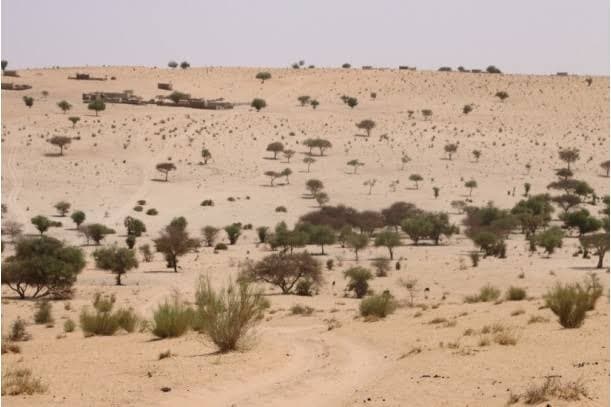
Apart from the insecurity caused by insurgents and banditry in some parts of Nigeria, Northern Nigeria, particularly the Sahel regions of Kano, Katsina, Sokoto, Jigawa, and Zamfara, is facing an unprecedented environmental crisis. The area, which is home to millions of people, is experiencing rapid desertification, devastating droughts, and catastrophic floods due to climate change.
Rising temperatures, changing rainfall patterns, and increased frequency of extreme weather events are altering the delicate balance of the region’s ecosystem. The consequences are far-reaching, from reduced crop yields and decreased livestock productivity to increased poverty and migration.
The main drivers of desertification in Northern Nigeria are overgrazing, deforestation, and unsustainable agricultural practices. The region’s population is growing rapidly, putting pressure on already limited water resources. Climate change is further reducing the availability of water, as changing rainfall patterns and increased evaporation rates deplete groundwater reserves.
The environmental conundrum in Northern Nigeria is not only an ecological issue but also a humanitarian crisis. As resources become scarcer, competition for land, water, and pasture is fueling tensions between communities, leading to conflicts and displacement. Many people are forced to migrate to urban areas or other regions in search of better livelihoods, putting pressure on already strained resources.
Despite the daunting challenges, there are opportunities for sustainable development and environmental restoration in Northern Nigeria. Implementing practices like agroforestry, conservation agriculture, and integrated water management can help to restore degraded lands and improve agricultural productivity.
Investing in renewable energy sources, such as solar and wind power, can reduce the region’s dependence on fossil fuels and mitigate the impacts of climate change. Building climate-resilient infrastructure, such as flood-resistant homes and drought-tolerant water systems, can help to protect communities from the impacts of extreme weather events.
Strengthening regional cooperation and coordination can facilitate the sharing of knowledge, expertise, and resources, ultimately supporting a more effective response to the environmental challenges facing Northern Nigeria.
Addressing the root causes of climate change, desertification, and water scarcity will require a sustained and collective effort from governments, international organizations, civil society, and local communities. By working together, we can help to restore the region’s fragile ecosystem, promote sustainable development, and ensure a more resilient future for the people of Northern Nigeria and the entire country.

Ojoma Yusuf
Ojoma Yusuf is a correspondent based in Yola, reporting on Adamawa State and Nigeria's Northeast.
View profile →