Adamawa Experts Warn Pregnant Women Against Home Delivery

YOLA —By Ojoma Yusuf,Yola
Health experts in Adamawa State have warned pregnant women, particularly adolescents, against home delivery, saying the practice could expose mothers and newborns to serious and potentially life-threatening complications.
The experts stressed the importance of giving birth under the supervision of skilled health professionals in properly equipped healthcare facilities, where emergency care can be provided promptly when complications arise.
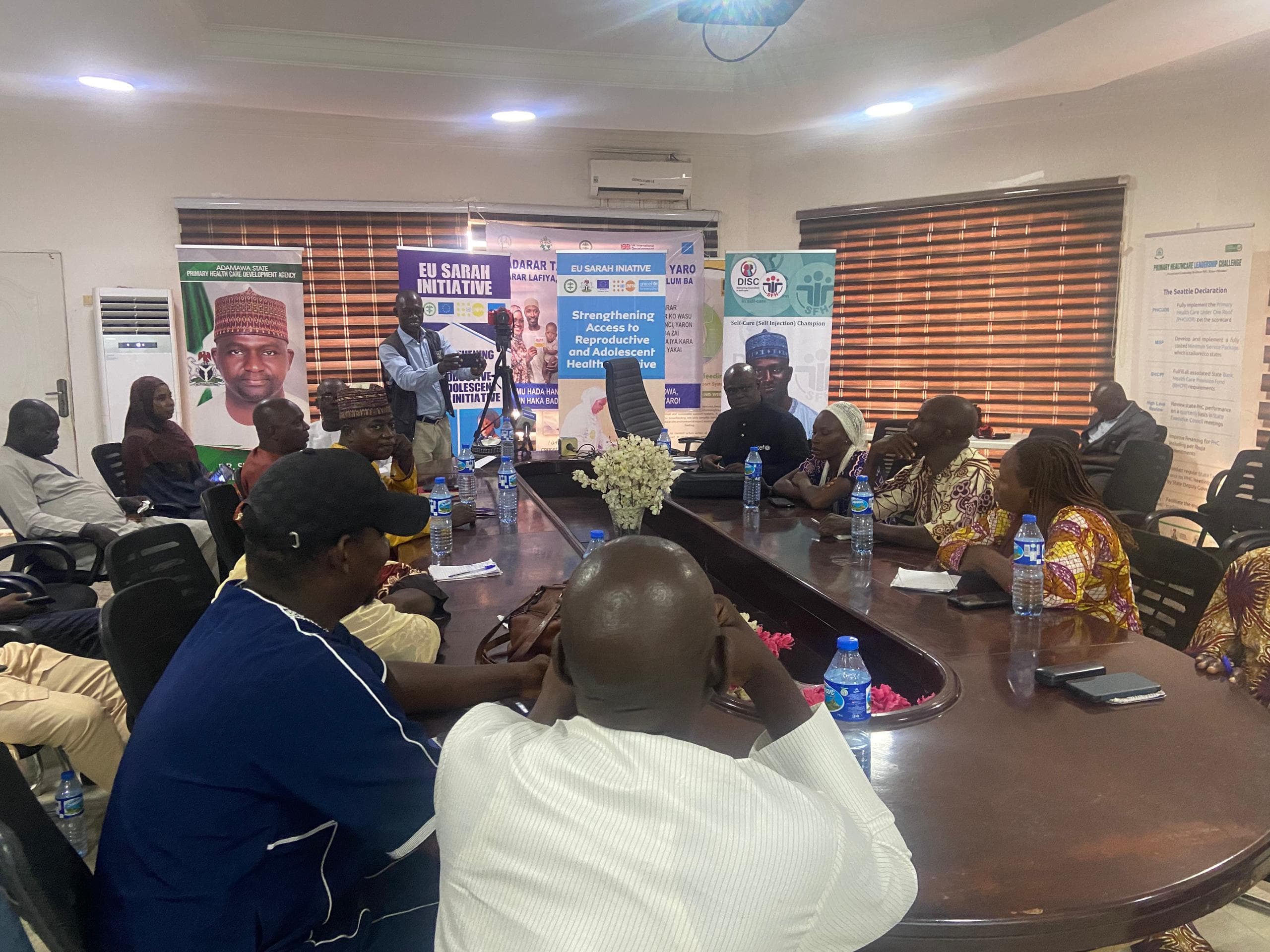
The warning was issued during a one-day media engagement with journalists in Yola, organised by the United Nations Children’s Fund (UNICEF) in collaboration with the Adamawa State Government under the European Union Strengthening Access to Reproductive and Adolescent Health (EU-SARAH) programme.
The initiative, supported by UNICEF and the United Nations Population Fund (UNFPA), is aimed at improving access to reproductive, maternal and adolescent healthcare services in the state.
Speaking at the engagement, UNICEF Health Officer, Oluseyi Olusunde, called for greater involvement of community leaders, parents and other gatekeepers in promoting adolescent health and encouraging pregnant women to seek professional medical attention.
Olusunde said stronger community participation was necessary to tackle social and cultural barriers that often prevent women and adolescents from accessing appropriate healthcare services.
He also advocated continuous training and capacity-building for healthcare workers to enable them provide quality, accessible and youth-friendly services.
On home delivery, Olusunde cautioned that childbirth complications could occur unexpectedly, making the immediate availability of trained medical personnel and emergency services critical.
He said delays in accessing appropriate medical intervention could endanger the lives of both mothers and their babies.
“Allowing home delivery can be detrimental because health experts may not be available at that critical moment,” he said.
According to him, the EU-SARAH programme is part of ongoing efforts to promote safe delivery and improve young people’s access to appropriate reproductive and healthcare services.
Olusunde further stressed the importance of creating a safe and confidential environment where adolescents can freely discuss sensitive health issues and obtain professional guidance without fear of stigma or discrimination.
He said building trust between young people and healthcare providers would encourage them to seek medical advice and treatment promptly when necessary.
The UNICEF official also urged community stakeholders to collaborate with healthcare providers to strengthen referral systems, particularly for adolescents and pregnant women requiring specialised medical attention.
Also speaking, the Executive Chairman of the Adamawa State Primary Health Care Development Agency (ADSPHCDA), Dr. Suleiman Sa’idu Bashir, said the media engagement was aimed at strengthening public awareness and information dissemination on maternal and child health.
Bashir said accurate and consistent health information was crucial to helping communities understand the importance of antenatal care, skilled birth attendance and timely access to healthcare facilities.
He commended the partnership between the Adamawa State Government and development organisations, describing it as an important platform for strengthening healthcare delivery and improving maternal and child health outcomes.
The ADSPHCDA chairman called for sustained collaboration among government agencies, development partners, healthcare workers, the media, traditional institutions and communities to address factors contributing to maternal and newborn deaths.
He noted that reducing maternal and newborn mortality would require not only improved healthcare infrastructure but also greater community awareness, early healthcare-seeking behaviour and coordinated action among stakeholders.
The experts said continued efforts to promote skilled birth attendance and remove barriers to healthcare access would be critical to preventing avoidable deaths and complications among pregnant women and newborns in Adamawa State.

Ojoma Yusuf
Ojoma Yusuf is a correspondent based in Yola, reporting on Adamawa State and Nigeria's Northeast.
View profile →