Climate Change: Children face increased risks of diseases, malnutrition-UNICEF

YOLA —By Ojoma Yusuf,Yola
Children exposed to multiple climate-related hazards are at increased risk of diseases, malnutrition and disruptions to education and access to essential services, stakeholders have warned.
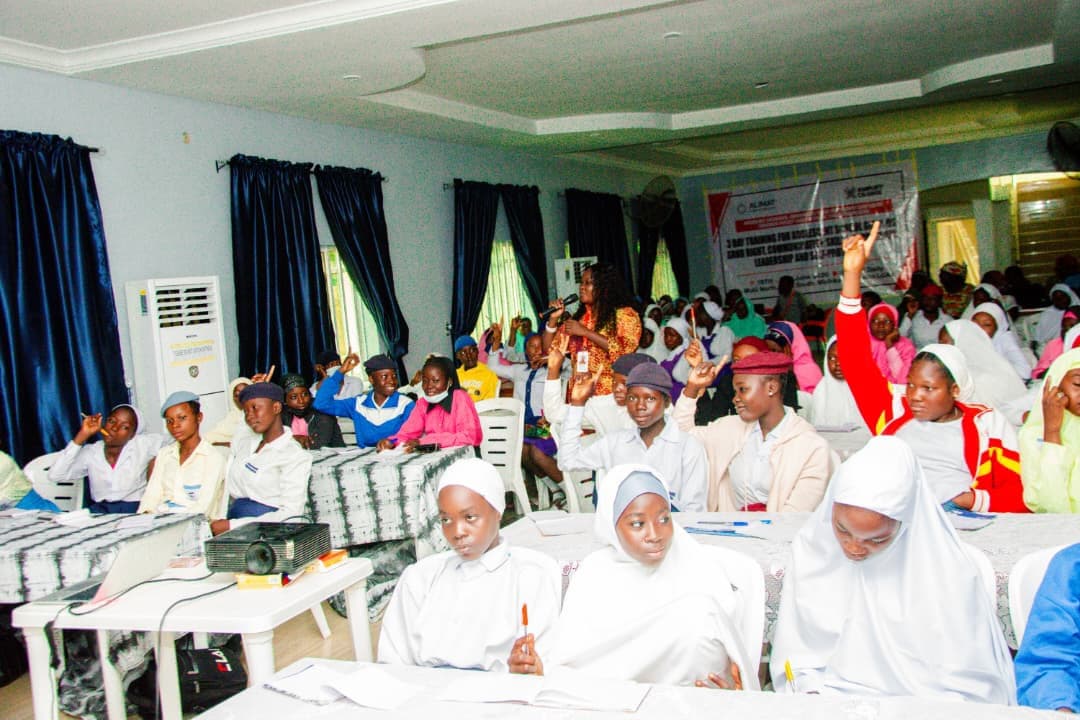
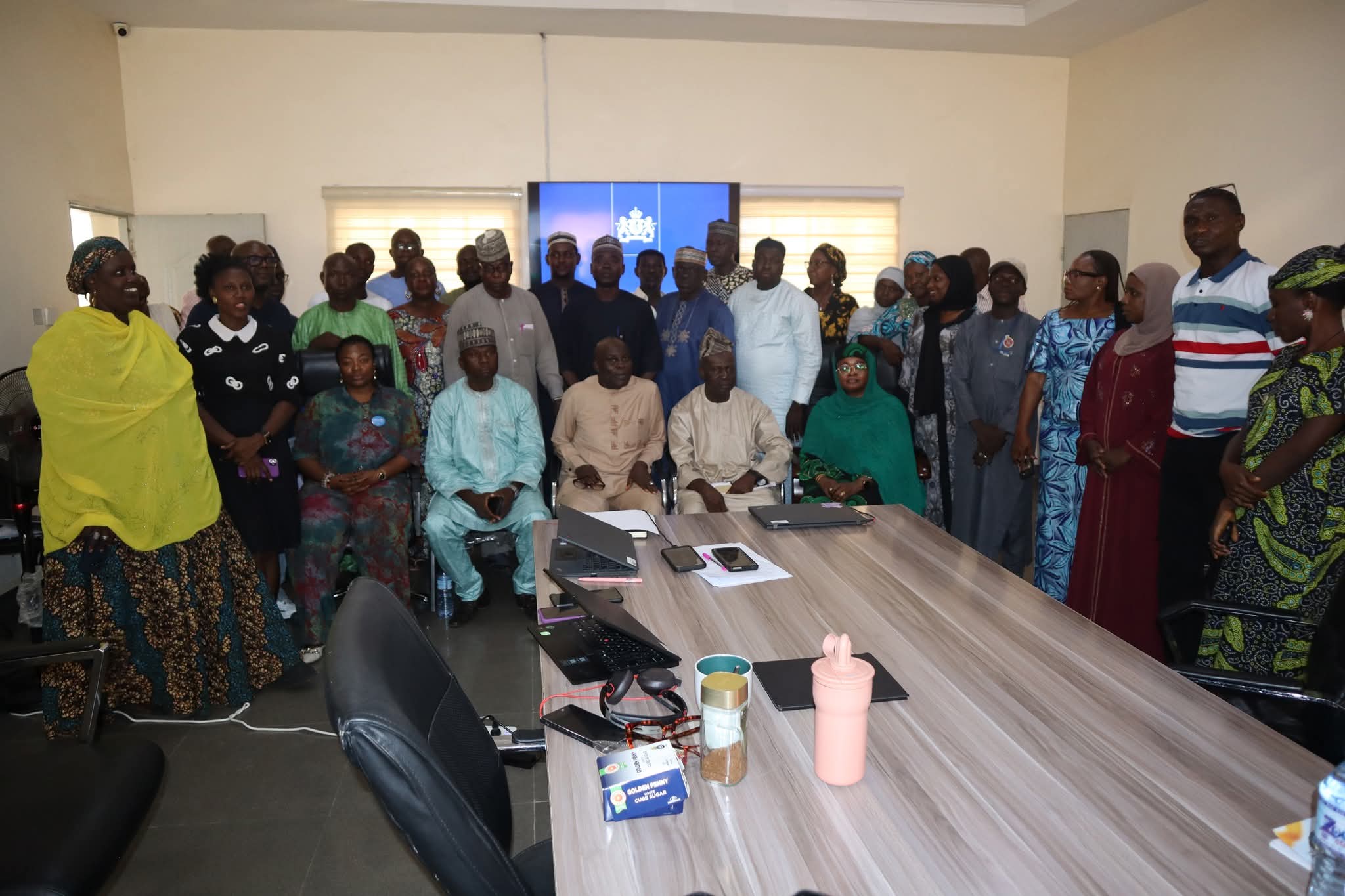
The warning was issued during a climate change and Water, Sanitation and Hygiene (WASH) sensitisation engagement held in Yola, Adamawa State, organised by the state government with support from UNICEF and the Accelerating Sanitation and Water for All Phase III (ASWA III) project, funded by the Government of the Netherlands.
Stakeholders, health officials and UNICEF representatives said children globally are increasingly exposed to overlapping climate hazards, including drought, extreme heat and flooding, which threaten their health, nutrition, education and overall wellbeing.
The warning is contained in UNICEF’s Children’s Climate Risk Report (CCRR) 2026, which highlights the growing impact of climate change on children and the essential services they depend on.
According to the report, climate hazards can occur simultaneously or in succession, disrupting water, sanitation, healthcare, education and child protection services, while placing vulnerable children at greater risk.
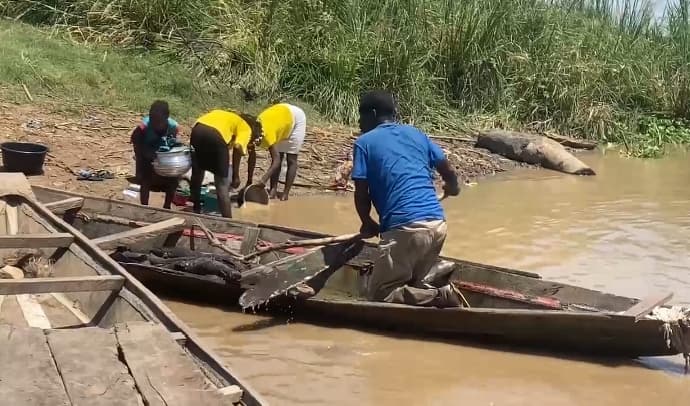
In Adamawa State, stakeholders noted that climate change is already affecting communities through changing rainfall patterns, prolonged dry seasons, rising temperatures, flooding and increasing pressure on water and agricultural resources.
They stressed that the impact on children goes beyond environmental concerns, as climate-related disruptions can expose them to infectious diseases, poor nutrition, unsafe water and interruptions to their education.
Nambam Dawap, WASH Officer with UNICEF’s Bauchi Field Office, said climate change should be viewed as a child rights issue because children are particularly vulnerable when different climate hazards occur simultaneously.
Dawap explained that the combination of hazards could undermine children’s access to clean water, sanitation, healthcare, food and education, particularly in vulnerable communities.
He urged stakeholders at all levels to strengthen climate adaptation measures and ensure that WASH, health and other essential services are resilient enough to withstand climate-related shocks.
Sharing his experience, Shagari Bellow from Bete Ward in Fufore Local Government Area said flooding had severely affected his community, with children becoming sick after the disaster.
Bellow said many children in the affected community suffered from different illnesses, stressing that children living in vulnerable communities are particularly exposed to diseases during and after flooding.
He called for greater support for communities affected by climate-related disasters, particularly through improved access to clean water, sanitation, healthcare and other essential services.
Stakeholders at the engagement therefore called for stronger collaboration among government agencies, development partners and communities to protect children from the growing effects of climate change and ensure that no child is left behind

Ojoma Yusuf
Ojoma Yusuf is a correspondent based in Yola, reporting on Adamawa State and Nigeria's Northeast.
View profile →